Category: Shopping

The Pre-Owned Luxury Watch Market Is Booming, Don’t Be the Person Who Buys a Very Expensive Problem

The pre-owned luxury watch market is hot. That part’s true. The part people gloss over is *why* it’s hot: scarcity narratives, rising retail prices, tighter AD allocations, and a whole lot of new money chasing a handful of references. That’s how you get opportunity…and how you get burned.

Here’s the thing: buying pre-owned isn’t risky because watches are mysterious. It’s risky because humans lie, paperwork disappears, parts get swapped, and “recently serviced” can mean anything from a full overhaul to “I wiped it with a microfiber cloth.”

One line you should tattoo on your brain: you’re not buying a watch, you’re buying a story, and you need proof.

Hot take: If you can’t verify it, you can’t afford it.

I don’t care if the dial is gorgeous and the seller “seems like a good guy.” If the numbers don’t line up, if the service history is foggy, if the provenance is vibes-based, walk, unless you’re dealing with a reputable Watch Boutique.

Yes, you’ll miss a few “deals.” Good. Most “steals” in this space are just future headaches with a polished case.

A smart pre-owned buy is a four-legged table (remove one leg and it wobbles)

Forget romantic language like “grail.” When I’m looking at a pre-owned luxury watch, I grade it on:

Value (market comps, liquidity, spread between retail and secondary)

Condition (not just scratches, case geometry, dial integrity, movement health)

Provenance (box/papers are nice; ownership chain and receipts are better)

Service history (who did the work, what was replaced, when it was pressure-tested)

Some watches look great and are financial sinkholes. Others look a little “lived-in” but have clean documentation and predictable maintenance costs. Guess which I’d rather own.

And no, the most expensive option isn’t automatically the safest. Sometimes the *priciest* listings are the ones hiding behind flattering photos and vague language.

Value: don’t comp it like a rookie

People compare prices the way they compare used cars, too quickly, too shallowly. You want comps that match:

– exact reference (not “basically the same model”)

– dial variant and era

– braceletvs strap, and bracelet stretch if applicable

– box/papers status

– service documentation

Now, this won’t apply to everyone, but if you’re even mildly “investment-minded,” liquidity matters more than hype. A watch that sells fast at a fair price beats a watch that “might” sell higher someday.

One useful reality check:Chrono24 reported more than 9 million watch listings and ~€6 billion in marketplace volume (Chrono24 company materials, widely cited in industry coverage).Big market, sure, but also a big stage for polished listings and creative descriptions.

Authenticity: treat it like a forensic audit, not a vibe check

Look, authenticity checks are partly technical and partly procedural. The technical stuff matters, but process is what keeps you safe.

The triangulation method I rely on

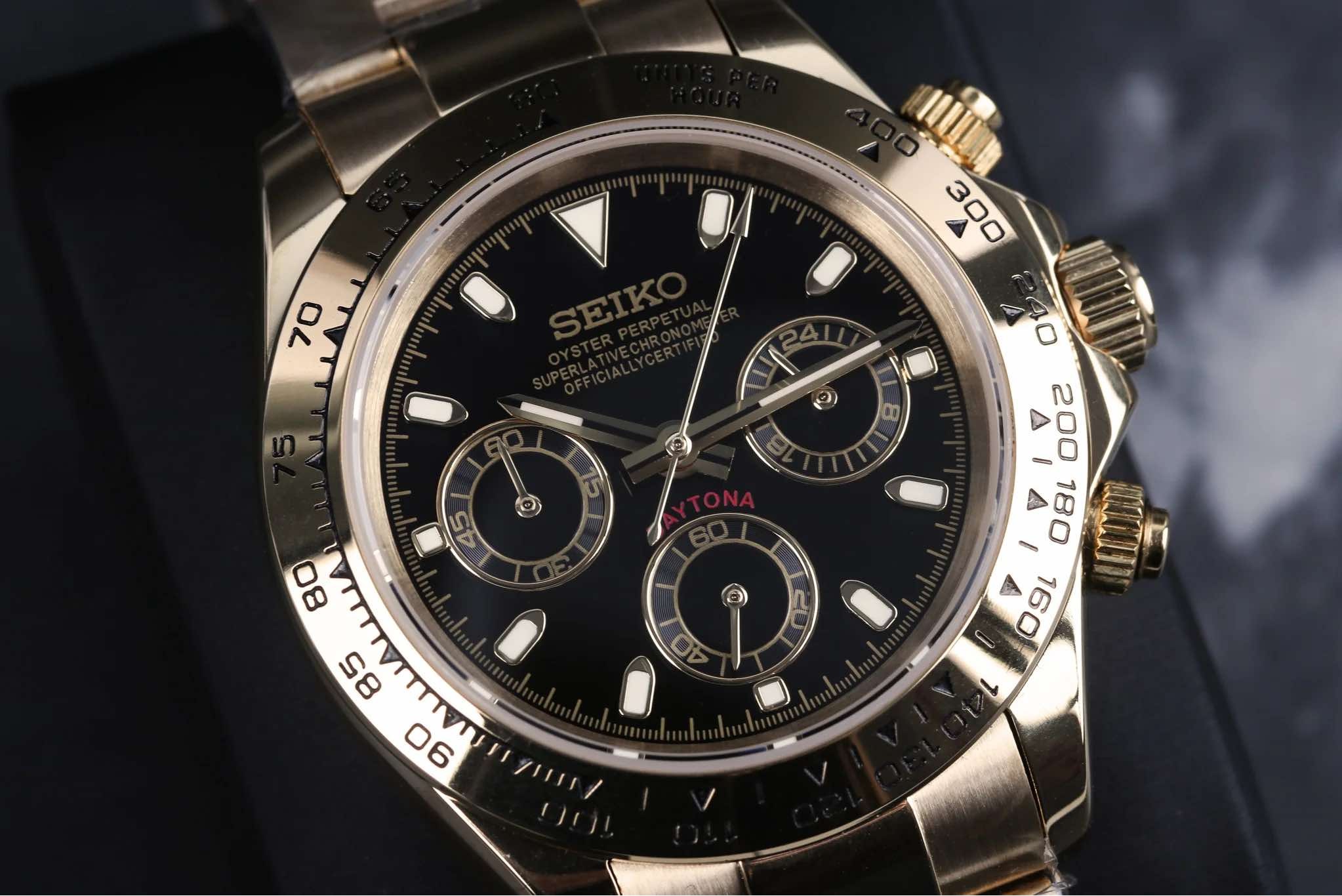
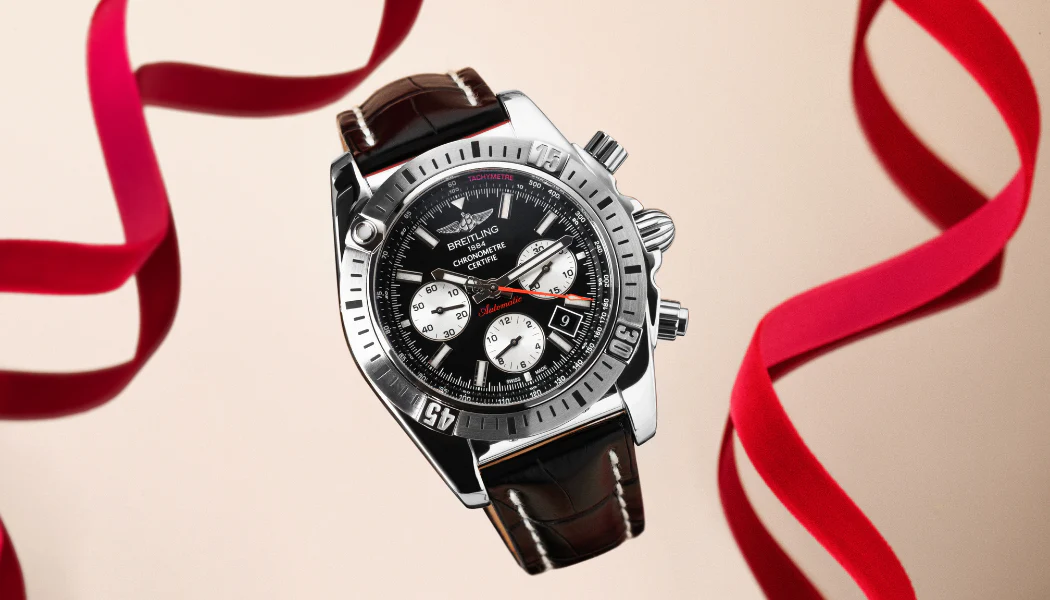
Luxury Watches

You want at least three points of confirmation:

  1. Serial + reference: matches brand conventions for that production period
  2. Movement: correct caliber, correct engravings/finishing, correct layout
  3. Paper trail: card/papers, receipts, service records that form a timeline

If one of those is missing, you don’t immediately run. But you *price it like a risk*, and you demand stronger support elsewhere.

A few practical red flags I’ve seen (more than once):

– serial looks re-etched or oddly shallow

– warranty card date doesn’t align with model release window

– “full set” but the box is wrong generation

– dial patina that doesn’t match handset aging (that mismatch is loud)

And please don’t overrate gadgety “authentication tools.” UV lamps and macro shots help, but fakes have gotten good at cosmetic mimicry. The movement and the paper trail still win.

One-line rule:

If the seller won’t let a third party verify it, it’s not for sale, it’s a trap.

Condition isn’t “does it look clean?” It’s: “did someone erase its geometry?”

This is where newcomers get wrecked, because sellers love the word mint and buyers love believing it.

A serious condition check goes beyond surface marks:

Case bevels and edges: sharp? rounded? “melted” from polishing?

Lugs: symmetry matters; uneven lug thickness screams aggressive refinishing

Crystal: chips at the edge, cyclops alignment, AR coating condition

Crown and tube: threading feel, crown seating, water ingress risk

Bracelet: stretch, clasp wear, replaced links, correct endlinks

Now the technical bit: ask for timing results. Not a vague “it keeps great time,” but actual numbers. A recenttimegrapher readout (rate, amplitude, beat error) tells you whether you’re buying a watch or buying an impending service bill.

I’m opinionated on this: a watch with honest wear and a documented service beats a cosmetically perfect watch with mystery internals.Every time.

Service history: the boring paperwork that saves you thousands

Servicing is where value either gets protected or quietly destroyed.

Good service documentation answers:

– who did the service (brand, authorized center, respected independent)

– date + scope (full overhaul vs regulation vs gasket change)

– parts replaced (especially dial, hands, bezel insert, these affect originality)

– pressure test results for water-resistance watches

Bad service documentation is just a phrase: “recently serviced.”

Here’s the thing: a “service” could mean someone opened it, sprayed something inside, and closed it back up. I’ve seen it. It’s ugly.

(Also: polishing during service is not automatically evil, but repeated polishing *is*. Geometry doesn’t grow back.)

Where you buy matters more than people want to admit

Private deals can be fine. They can also be a masterclass in regret.

Trusted platforms and reputable dealers provide a few things that are hard to replicate in a one-on-one sale:

– structured return policies

– standardized condition grading (imperfect, but better than nothing)

– authentication and escrow workflows

– clearer disclosure norms and reputational stakes

Certified pre-owned programs are expanding because brands know the secondary market is where customer relationships are won or lost. That trend has made parts and service pipelines better in some cases, but it’s also pushed prices up for “clean” examples.

So yes, you often pay more through a reputable channel.

You’re buying reduced uncertainty.

A quick “don’t get burned” checklist (print it, actually)

– Get high-res photos of dial, case sides, caseback, clasp, endlinks, and movement (if possible)

– Confirm serial/reference placement and format for that brand and era

– Ask for service receipts, not stories

– Confirm what’s original vs replaced (dial, hands, bezel insert are big ones)

– Demand a clear return window or escrow protection

– When in doubt: pay for an independent watchmaker inspection before funds release

If any part of this feels “awkward” to request, good. That awkwardness is cheaper than a $1,500 surprise service, or a counterfeit.

Protecting value: small habits, big payoff

This part is less glamorous than hunting the next “hot reference,” but it works.

Keep:

– every receipt

– every service invoice

– the box, papers, hangtags, spare links (even the silly little booklets)

Photograph the watch in consistent lighting every year or so. Sounds obsessive. It’s also how you prove condition progression and avoid disputes later. In my experience, buyers pay faster, and argue less, when your documentation is clean and chronological.

Also, be cautious with “upgrades.” Aftermarket parts can be fun, but they can kneecap resale, and they complicate authenticity conversations. If you do mod anything, keep the originals in a labeled bag like a responsible adult.

Market timing (a little): don’t confuse a price spike with a foundation

Secondary prices move in cycles. You’ll see seasonal softness, hype surges, and model-specific mania triggered by a celebrity sighting or a discontinuation rumor.

What you’re looking for isn’t the absolute bottom. You’re looking for a fair entry price on a watch you can defend with documentation.

Because when the market cools, and it always cools somewhere, you won’t be stuck trying to convince the next buyer with adjectives.

You’ll have evidence. That’s the whole game.

Nitrous Oxide Makes Whipped Cream Light, Creamy, And Exceptionally Delicious

Whipped cream is a beloved topping for desserts, drinks, and baked goods, adding a rich and fluffy texture that enhances every bite. The secret behind perfectly light and creamy whipped cream is the use of nitrous oxide. This gas acts as a propellant and an aerating agent, transforming heavy cream into a smooth, airy delight. Nitrous oxide creates tiny bubbles in the cream, giving it volume and stability while maintaining a silky texture. The result is a whipped cream that holds its shape, tastes fresh, and melts beautifully on desserts, making it exceptionally delicious.

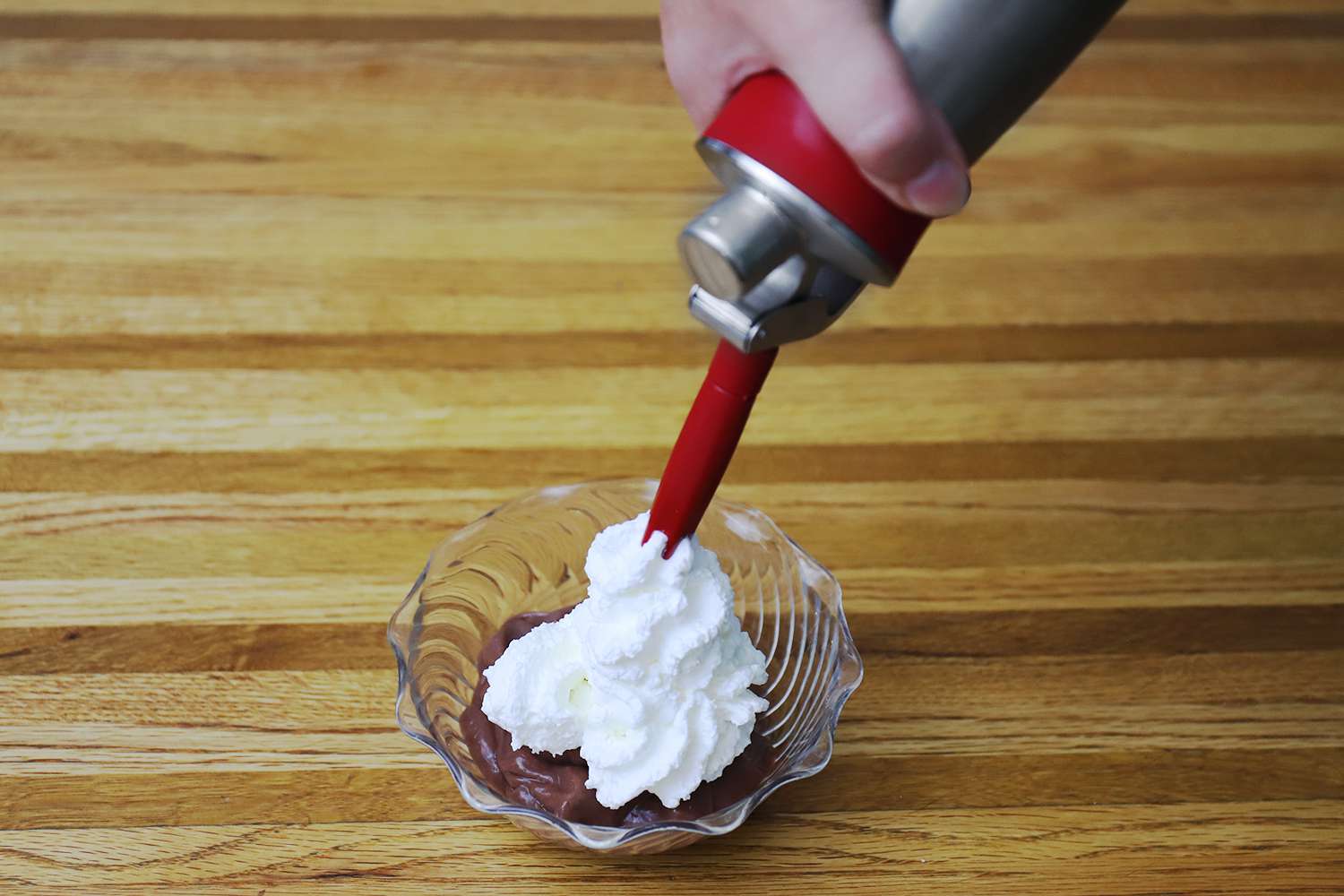
Nitrous oxide, often called laughing gas, dissolves easily in cream under pressure. When the cream is released from a pressurized container, the gas expands, forming millions of tiny bubbles. These bubbles trap air and moisture, creating a light, fluffy texture without the need for extensive whisking. This process:

  • Aerates the cream evenly
  • Maintains smooth and creamy consistency
  • Prevents separation or curdling
  • Enhances sweetness and flavor naturally

The gas also contributes to the cream’s stability, meaning it keeps its shape longer than manually whipped cream. This makes it ideal for topping cakes, pies, hot beverages, and other desserts.

Benefits of Using Nitrous Oxide in Whipped Cream

Whipped Cream

Using nitrous oxide offers multiple advantages beyond just texture:

  • Quick and convenient: Cream whips instantly without extensive beating.
  • Consistent results: Each batch is evenly aerated, ensuring reliable creaminess.
  • Smooth texture: Produces a velvety finish that enhances the overall eating experience.
  • Long-lasting shape: Holds peaks well, perfect for decoration.
  • Flavor preservation: Maintains the natural taste of cream without dilution or over-whipping.

Tips for Best Results

To achieve the most delicious whipped cream with nitrous oxide:

  • Chill the cream thoroughly before use; cold cream whips better.
  • Use clean, dry containers to avoid interference with aeration.
  • Release the cream slowly to control the texture and avoid over-expansion.
  • Store unused whipped cream in a sealed container to maintain freshness and fluffiness.

Nitrous oxide transforms ordinary cream into a luxurious, light, and creamy topping that enhances every dessert. A 3l nitrous oxide cylinder ensures uniform cream texture, steady pressure, and uninterrupted service for restaurants, cafes, and bakeries. Its unique ability to aerate and stabilize cream makes whipping faster, simpler, and more effective. By creating tiny bubbles that hold their shape, nitrous oxide ensures whipped cream is fluffy, smooth, and exceptionally delicious every time. Whether used on cakes, hot drinks, or pastries, the result is a perfectly textured, flavorful treat that elevates any dish.

Whipped Cream Charger Makes Every Recipe Creamy Smooth and Delicious

Creating rich, creamy desserts and beverages has never been easier. Smooth textures and delightful flavors can transform any recipe from ordinary to extraordinary. Whipped cream adds a touch of elegance to cakes, hot drinks, and fruit bowls, making each bite more enjoyable. Achieving the perfect consistency is simple when you know the right techniques and tools to enhance your culinary creations. With the right approach, even everyday treats can feel luxurious and professionally made, offering a satisfying experience for both the cook and those enjoying the dishes.

Effortless Creamy Texture

One of the key benefits of using cream charger is its ability to deliver consistently smooth and fluffy whipped cream in minutes. It ensures that every serving has the right balance of air and cream, creating a light, creamy texture that holds its shape beautifully.

  • Adds volume without heaviness
  • Delivers stable peaks for decoration or layering
  • Works well with both sweet and savory dishes

This tool allows home cooks and professional chefs alike to save time while achieving impressive results. It transforms simple ingredients into visually appealing and delicious treats that stand out.

Enhancing Flavors and Presentation

Beyond texture, whipped cream enhances the taste of desserts and drinks. The subtle creaminess complements flavors without overpowering them, making every dish richer and more satisfying. Using whipped cream in your recipes allows you to:

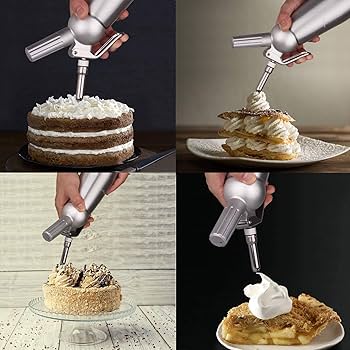
  • Elevate cakes, pastries, and pies
  • Add a creamy layer to hot chocolate, coffee, or milkshakes
  • Garnish fruits and desserts with a visually appealing touch

Whipped Cream Charger

Presentation plays a crucial role in the overall dining experience. A smooth, perfectly piped whipped cream topping can make desserts look professional and inviting.

Simple and Versatile for Every Kitchen

Whipped cream is not limited to sweet recipes alone. It pairs well with savory dishes like soups and sauces, offering a silky finish. Its versatility makes it an essential addition to any kitchen:

  • Easy to prepare with basic ingredients
  • Compatible with different flavors like vanilla, chocolate, and caramel
  • Ideal for both everyday meals and special occasions

Using whipped cream creatively opens new possibilities in both cooking and presentation.

Perfect Whipped Cream

  • Chill cream before whipping for better texture
  • Use clean, dry utensils to prevent separation
  • Pipe immediately for decorative purposes
  • Store in an airtight container for freshness

With the right techniques and tools, every recipe can achieve the creamy, smooth, and delicious quality that makes food memorable. Whipped cream brings joy not only through taste but also through the sensory experience of texture and presentation, making every dish a treat to savor.

Find out What Makes Nipple Rings So Addictively Empowering

Nipple rings have become a popular form of body modification and personal expression, offering more than just aesthetic appeal. For many, they serve as a deeply empowering symbol of confidence, strength, and individuality. The act of piercing one’s body is often seen as a statement of reclaiming autonomy over one’s physical self, transforming an area of vulnerability into a place of power. When adorned with nipple rings, this part of the body, which is often sexualized or overlooked, becomes a canvas for self-expression, further enhancing the sense of control one feels over their identity. The empowerment that comes with nipple rings is rooted in the act of choosing something that is entirely personal. Unlike many other forms of adornment, body piercings are an intimate choice that involves the wearer directly in the process of transformation.

Nipple Rings

It is not about conforming to societal standards of beauty but about creating a visual representation of one’s own desires, ideals, or even rebellions. This autonomy can offer a profound sense of self-confidence, as individuals are not seeking external validation but are instead acknowledging their own desires and unique traits. Nipple rings, unlike other types of jewelry, are often hidden beneath clothing, which adds an element of secret empowerment. Knowing that there is something private and personal just for oneself can create a sense of inner strength. This secret connection to one’s body can serve as a reminder of personal agency and self-love, which boosts one’s overall sense of well-being. For some, it provides a quiet but consistent affirmation of their body as their own, a rebellion against the pressures of society to conform to certain physical ideals. For those who experience intense emotional or physical connection to their piercings, nipple rings can also enhance sexual empowerment. They can serve as a reminder of one’s sexuality in a way that feels affirming rather than objectifying. The sensation of having nipple rings can increase physical sensitivity and, for many, elevate sexual pleasure.

This personal, private experience of pleasure can also contribute to a deeper sense of self-awareness and an increased connection to one’s body and desires. Nipple piercings can also help with body image issues by shifting the focus from societal pressures to a celebration of the body as it is. Rather than trying to fit into a narrowly defined idea of beauty, individuals who adorn themselves with nipple rings are actively engaging in body acceptance. The rings, in many ways, become symbols of defiance against traditional beauty standards, promoting a message of body positivity and confidence in one’s own skin. Moreover, nipple rings can create a sense of community and belonging, particularly within subcultures that embrace body modifications. These piercings can connect individuals to a larger group of people who value the same sense of empowerment and self-expression. This shared experience can foster a sense of solidarity and support, making the choice to wear nipple rings not just an individual decision, but also one that ties a person to a broader, inclusive movement. Through this communal aspect, many find strength and encouragement in their journey of self-discovery and self-empowerment.

TAG Graded Pokemon Cards Make Every Pull Feel Special

Whether you are a seasoned collector or just starting your journey into the world of trading cards, having your Pokémon cards graded can take the excitement of each pull to a whole new level. Graded cards transform a simple moment of opening a pack into something memorable and meaningful, preserving the thrill and the story behind the card. When a card is professionally graded, it is encapsulated in a tamper-proof case, offering not only protection but also a tangible sense of value and importance. Suddenly, that rare holographic or perfectly centered common card becomes more than just part of your collection it becomes a display-worthy treasure. The grading process adds an extra layer of anticipation and pride. Knowing that your card has been officially evaluated for its condition, centering, corners, edges, and surface quality brings a deeper level of appreciation. Even if a card does not score a perfect 10, the numerical grade gives you a benchmark to cherish, compare, or even trade with greater confidence.

TAG Graded Cards

It adds clarity in a world where tiny print lines or barely-there whitening can drastically affect a card’s perceived value. And beyond just monetary worth, the grade immortalizes that moment of joy you felt when you pulled it from the pack. What truly sets graded cards apart is the psychological impact they have on collectors. Each card, no matter the rarity, becomes an artifact a snapshot of time, luck, and passion. Displaying graded cards feels more intentional and prestigious. Whether you choose to showcase them on a shelf, keep them stored in protective boxes, or share them on social media, graded cards elevate the aesthetic and emotional experience of collecting. They create milestones within your collection, marking achievements, memories, and personal highlights. Moreover, grading brings consistency to your collection. It removes the ambiguity that often comes with subjective evaluations.

You no longer have to wonder how your TCG Treasury cards stack up in terms of condition; the grade says it all. This can be especially satisfying for collectors who enjoy the hunt for pristine cards or those who want to build sets with a uniform level of quality. It adds structure to what can often be a freeform hobby, without taking away from the fun and spontaneity of opening packs.  Ultimately, every pull from a Pokémon pack becomes more than just a gamble for rarity it becomes a potential gem to cherish and preserve. Grading cards not only safeguards your collection but also enhances your connection to it. It reinforces the idea that each card has its own story, and by grading them, you are honoring that story. Whether you are collecting for nostalgia, investment, or the simple thrill of the chase, having your cards graded ensures that every pull truly feels special, lasting far beyond the moment it is drawn.