
Ever had a drain that just won’t cooperate? Maybe your shower is filling up around your feet, or your kitchen sink is making weird noises. Blocked drains are super common—but the good news is, most are easy to fix yourself! Let’s break down what causes them, how to prevent them, and what to do when things get stubborn.
What Actually Blocks Drains?
It’s not random. Drains get blocked because of everyday stuff like:
– Hair
– Soap scum
– Grease and oil
– Mineral buildup (limescale)
– Random objects (kids’ toys, bottle caps, etc.)
– Tree roots (yes, really)
– Venting issues
Let’s dig into each one, plus how to tackle them.
- Hair & Soap Scum: The Bathroom Bullies
What happens?
Hair slips down the drain and tangles up with soap scum. Over time, this sticky mess slows things down and gets smelly.
How to spot it:
– Water drains slowly from your tub or sink.
– You hear gurgling.
– A funky, sour smell lingers.
Quick Fixes:
– Use a hair catcher in your shower or tub.
– Clean out visible hair and scrub away soap residue weekly.
– Pour hot water down the drain after showers.
– For a deeper clean, try a mix of baking soda and vinegar (see “Quick Fixes” below!).
If the clog persists, you can get your blocked drains fixed by All Kind Plumbing for a fast and professional solution.
- Kitchen Grease: The Sneaky Clogger
What happens?
Cooking oil and grease might look harmless when hot, but they cool down and stick to pipe walls, trapping food bits and causing a stubborn clog.
How to avoid it:
– Never pour oil or grease down the drain.
– Wipe greasy pans with paper towels before washing.
– Use a mesh strainer to catch food scraps.
If it’s already clogged:
– Try plunging first.
– Use a drain snake if needed.
– Ditch chemical cleaners; they’re harsh on pipes.
- Mineral Buildup: Hard Water’s Unwanted Gift
What’s up with that?
Live in a hard water area? Minerals like calcium and magnesium can build up over time, narrowing your pipes.
Spot the signs:
– Water flows slower than usual.
– White, chalky residue on faucets or showerheads.
Prevention tips:
– Run a vinegar or citric acid flush every month or so.
– Clean aerators and showerheads regularly.
– Maintain your water softener if you have one.
- Foreign Objects: “Oops, That Wasn’t Supposed to Go There!”
The usual suspects:
– Wipes (even “flushable” ones)
– Food scraps, coffee grounds
– Toys, jewelry, or small household items
What to do:
– Always use strainers.
– Keep small items away from sinks.
– Teach kids what should (and shouldn’t!) go down the toilet or drain.
- Tree Roots: Underground Trouble
How do roots get in?!
Trees love water. Their roots seek out cracks in pipes and sneak in, causing major blockages or even pipe breaks.
Warning signs:
– Multiple drains get slow at once.
– Gurgling after heavy rain.
– Sewage smells or backup outside.
What now?
– Call a plumber for a camera inspection.
– Don’t use chemicals—they can damage pipes and the environment.
– Prevention: Know where your pipes run, and don’t plant trees nearby.
- Venting Issues: When Your Drain Smells Like Rotten Eggs
What’s going on?
If drains smell bad or you see condensation, the vent pipe might be blocked. This pushes sewer gases back into your home (ew!).
Quick checks:
– Look for blocked roof vents.
– Clear debris if you can safely reach it.
– Still smelly? Time to call in a pro.
Signs Your Drain Needs TLC
Not sure if you’ve got a clog brewing? Watch for:
– Slow draining sinks or tubs
– Gurgling sounds
– Standing water
– Foul odors
– Water backing up elsewhere when you flush
Catch these early to avoid a full-on blockage!
Quick At-Home Fixes to Try Now
Got a slow drain? Try these before calling a plumber:
- Hot Water Blast:
Pour boiling water down the drain in short bursts.
- Baking Soda & Vinegar:
– Pour 1 cup baking soda, then 1 cup vinegar.
– Wait 15 minutes, then flush with hot water.
- Plunger:
– For sinks and tubs, plunge with a tight seal and quick up-and-down motions.
- Drain Snake or Wire Hanger:
– Gently push in and twist to snag hair or debris.
- Clean the Trap:
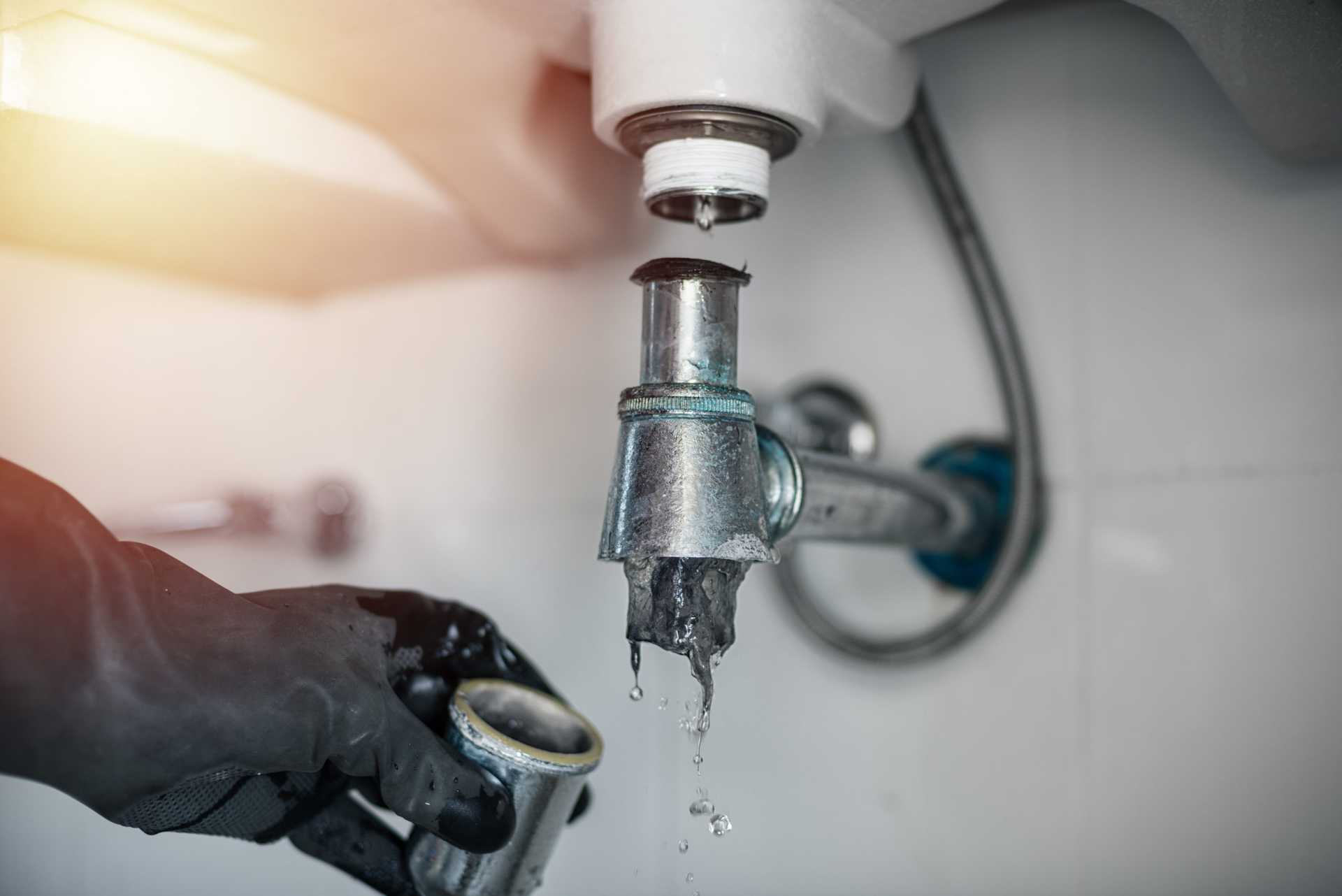
– For sinks, place a bucket underneath, unscrew the U-bend, and clear out gunk.
Tip:
Avoid chemical drain cleaners! They can damage your pipes and rarely fix the root cause.
Maintenance Habits for Clog-Free Drains
– Use mesh strainers everywhere.
– Never pour grease or coffee grounds down the drain.
– Run hot water regularly.
– Clean hair catchers and traps weekly.
– Flush with baking soda and vinegar once a month.
– Get professional inspections if you notice recurring issues.
When to Call a Pro
– If multiple drains are slow or backed up.
– Persistent bad odors, even after cleaning.
– Signs of tree root intrusion or major blockages.
Don’t wait—early action saves money and mess!
Blocked drains are annoying, but with a little know-how (and regular TLC), you can keep things flowing smoothly. Got a stubborn clog? Try these tips first—if all else fails, your friendly local plumber is just a call away!