
Successful construction projects begin with a clear understanding of the land and its environmental conditions. Before development activities commence, evaluating the physical and environmental characteristics of a property helps create a reliable foundation for planning. Comprehensive Site Investigations provide valuable information that supports informed decisions, strengthens construction preparation, and encourages responsible land development. By identifying important site conditions early, project teams can establish practical strategies that promote safety, efficiency, and long-term property value.
Building Strong Foundations Through Detailed Site Evaluations
A thorough property evaluation helps development professionals understand existing environmental conditions and recognize important factors that may influence construction activities. Detailed investigations provide useful information for preparing suitable development plans while supporting responsible property management.
- Examine soil conditions to understand ground stability.
- Evaluate groundwater characteristics for better planning.
- Identify potential environmental concerns before construction.
- Review historical property activities for valuable insights.
- Collect reliable information to support project decisions.
Supporting Better Environmental Understanding
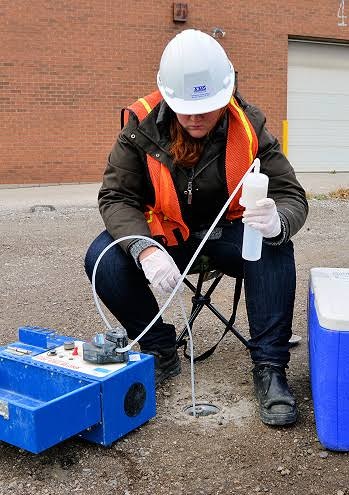
Environmental awareness plays an important role in preparing construction projects successfully. Evaluating soil, groundwater, and other site characteristics allows professionals to develop suitable approaches that protect environmental quality while supporting planned development activities.
Through Comprehensive Site Investigations, project teams can gain a clearer understanding of existing conditions and establish appropriate measures for responsible construction preparation.
- Assess soil quality and surrounding environmental conditions.
- Understand groundwater movement and characteristics.
- Recognize areas that require additional evaluation.
- Support environmentally responsible development planning.
- Improve communication through organized investigation findings.
Improving Construction Safety Through Early Risk Identification
Preparing for construction with dependable site information creates opportunities to address important considerations before physical work begins. Understanding subsurface conditions helps engineers select appropriate construction methods and develop practical designs that align with the property’s characteristics.
- Evaluate ground stability to support suitable foundation designs.
- Identify underground obstructions that may influence excavation.
- Review drainage conditions for effective water management.
- Assess soil characteristics to guide earthwork planning.
- Provide useful recommendations for construction preparation.
Strengthening Project Planning With Professional Assessments
Professional environmental assessments contribute meaningful information to development planning. A detailed evaluation helps project stakeholders understand environmental considerations, prioritize suitable activities, and establish realistic expectations for upcoming construction work.
Additional environmental information can also support responsible decision-making throughout the development process. Resources such as https://www.geokinetics.com/california/phase-2-environmental-site-assessment/ provide relevant insight into the value of detailed environmental evaluations.
- Review historical property information for better awareness.
- Analyze collected samples through appropriate laboratory testing.
- Document findings for clear project communication.
- Develop suitable recommendations based on assessment results.
- Support responsible management of environmental resources.
Encouraging Efficient Construction Coordination
Reliable investigation findings help different project professionals work toward shared development objectives. Engineers, designers, contractors, and property stakeholders can use documented site information to coordinate their responsibilities and make informed preparations.
A well-organized investigation report also provides a valuable reference during project discussions. This encourages stronger collaboration, effective resource allocation, and consistent attention to construction requirements.
- Improve coordination between technical professionals.
- Support realistic construction schedules and resource planning.
- Encourage informed material and foundation selections.
- Strengthen awareness of site-specific requirements.
- Promote organized communication throughout development activities.
Creating Lasting Value Through Responsible Development
Careful preparation contributes to construction quality and long-term property performance. Understanding environmental and ground conditions before development helps establish suitable approaches that support durability, responsible resource management, and confidence in future property use.
Comprehensive Site Investigations therefore represent an important investment in successful construction preparation. By combining professional assessments, reliable testing, and clear reporting, property stakeholders can establish stronger development foundations. A thoughtful approach to understanding site conditions encourages safer construction practices, supports environmental responsibility, and creates valuable opportunities for sustainable property development.