
Month: November 2026

Detailed Operator Manuals Support Confident Machinery Handling

Operating agricultural and industrial machinery requires proper knowledge, practical awareness, and an understanding of essential equipment functions. Detailed operator manuals provide valuable information that helps users handle machinery confidently while maintaining smooth and productive operations. These resources explain operating controls, equipment features, safety recommendations, and routine maintenance requirements in an organized manner. With access to clear instructions, operators can improve their technical understanding, manage everyday activities effectively, and make better use of available machinery.

Understanding Machinery Features And Functions

Knowledge of equipment features helps operators understand how machinery performs different tasks. Detailed manuals explain individual components, operating controls, and important functions, making equipment handling more familiar and convenient.

  • Explains essential machinery components and their functions.
  • Introduces operating controls and equipment features.
  • Provides useful information about machine specifications.
  • Improves familiarity with different operating systems.
  • Supports better understanding of equipment capabilities.

Improving Operating Confidence

Clear operating instructions help users approach machinery handling with greater confidence. Organized explanations describe equipment preparation, operating requirements, and appropriate handling practices that support consistent performance during everyday activities.

  • Explains equipment preparation requirements.
  • Provides clear operating recommendations.
  • Supports effective control handling.
  • Encourages consistent operating practices.
  • Improves awareness of machinery capabilities.

Supporting Equipment Safety Awareness

Understanding safety information is an important part of responsible machinery operation. Operator manuals highlight essential precautions, recommended handling practices, and equipment guidelines that help users maintain an organized working environment.

  • Explains important operating precautions.
  • Identifies essential safety features.
  • Provides guidance for responsible equipment handling.
  • Encourages awareness of operating surroundings.
  • Supports appropriate machinery preparation.

Simplifying Routine Equipment Maintenance

Regular maintenance helps preserve machinery functionality and contributes to dependable performance. Detailed documentation provides useful information about inspections, lubrication, cleaning, and component care, allowing operators to understand their everyday equipment maintenance responsibilities.

  • Describes routine inspection requirements.
  • Explains lubrication and cleaning practices.
  • Provides information about fluid checks.
  • Supports timely component maintenance.
  • Encourages consistent equipment care routines.

Developing Better Technical Knowledge

Comprehensive operator documentation serves as a valuable learning resource for individuals working with different machinery systems. Detailed descriptions and illustrations make technical information easier to understand while improving familiarity with equipment components and functions.

  • Introduces important mechanical concepts.
  • Explains hydraulic and electrical system functions.
  • Provides useful component identification details.
  • Improves understanding of technical specifications.
  • Encourages continuous equipment learning.

Making Technical Information Easily Accessible

Well-organized reference materials help operators locate essential information whenever equipment guidance is required. Resources such as a John Deere Repair Manual PDF can provide convenient access to technical descriptions, operating information, and useful maintenance references.

  • Keeps important equipment information organized.
  • Supports convenient technical reference.
  • Helps users understand servicing requirements.
  • Improves preparation for equipment operations.
  • Encourages informed machinery management.

Promoting Consistent Machinery Performance

Confident machinery handling develops through practical experience and access to reliable operating information. When operators understand equipment requirements and follow suitable maintenance practices, they can support smoother workflows and productive daily activities.

Detailed operator manuals remain valuable resources for improving machinery knowledge and supporting responsible equipment handling. Their clear explanations, technical illustrations, and practical recommendations help operators develop confidence, maintain consistent operating habits, and contribute to reliable machinery performance over time.

Strategic Competitor Analysis Inspires More Effective SEO Campaign Development

Developing a successful search optimization campaign requires a clear understanding of audience interests, industry trends, and opportunities for improvement. Competitor analysis provides valuable insights into how similar businesses approach their online visibility and content strategies. By examining these insights, businesses can identify effective techniques, discover new content opportunities, and create campaigns that support stronger organic performance. A well-planned approach encourages informed decisions and sustainable digital growth.

Understanding Competitor Search Strategies

Evaluating competitor search strategies helps businesses understand the factors contributing to stronger online visibility. Reviewing their content approaches, keyword choices, and website structures provides useful information for developing more focused campaigns. These observations also reveal opportunities to create distinctive and valuable website experiences.

  • Identify competitors targeting similar audience interests.
  • Review frequently used industry-related search terms.
  • Examine content topics attracting relevant visitors.
  • Evaluate website structures and internal linking approaches.
  • Observe opportunities for improving search relevance.

Discovering Valuable Keyword Opportunities

Keyword research plays an important role in developing effective SEO campaigns. Competitor analysis helps identify relevant search phrases that connect businesses with potential customers. Exploring different keyword opportunities allows businesses to create targeted content that matches audience expectations and supports organic discovery.

  • Identify relevant primary and secondary keywords.
  • Explore long-tail phrases with specific search intent.
  • Research commonly discussed industry topics.
  • Discover content gaps through keyword comparisons.
  • Prioritize search terms according to audience relevance.

Developing More Effective Content Strategies

SEO Services

High-quality content helps businesses communicate their expertise and provide meaningful information to visitors. Studying successful competitor content can inspire fresh ideas while highlighting opportunities to deliver greater value. Businesses can use these insights to develop informative resources that encourage engagement and strengthen their online presence.

  • Create original articles addressing audience questions.
  • Develop detailed explanations of important industry topics.
  • Include relevant keywords naturally within content.
  • Organize information using descriptive headings.
  • Refresh existing pages with useful information and updates.

Strengthening Website Performance And Structure

A well-organized website makes information easier to discover and creates a positive browsing experience. Competitor analysis can reveal useful approaches to website navigation, page organization, and technical performance. Applying these insights helps businesses build accessible websites that support stronger search visibility.

  • Improve website loading speed and responsiveness.
  • Create clear navigation menus and page structures.
  • Strengthen internal links between related pages.
  • Optimize page titles and descriptive meta information.
  • Ensure website content remains accessible across devices.

Identifying Opportunities For Audience Engagement

Understanding how competitors connect with their audiences can inspire more effective engagement strategies. Reviewing their content presentation, frequently addressed questions, and visitor-focused resources helps businesses discover ways to improve communication. Professional guidance through SEO services Guelph can also support focused campaign development and stronger audience connections.

  • Create informative resources that encourage exploration.
  • Include clear calls to action on relevant pages.
  • Address common customer questions through useful content.
  • Develop engaging descriptions of products and services.
  • Encourage meaningful interactions through valuable information.

Measuring Progress And Improving Campaign Results

Regular performance evaluation helps businesses understand how their SEO campaigns develop over time. Comparing relevant performance indicators and reviewing audience engagement provides useful direction for continuous improvement. Consistent monitoring keeps strategies aligned with changing search interests and business objectives.

Strategic competitor analysis creates a valuable foundation for informed SEO planning. By combining industry research, keyword discovery, quality content, and website improvements, businesses can develop campaigns that attract relevant traffic and encourage meaningful engagement. Continuous refinement supports stronger search visibility, lasting audience relationships, and sustainable online growth.


Comprehensive Site Investigations Encourage Safer Construction Project Preparation

Successful construction projects begin with a clear understanding of the land and its environmental conditions. Before development activities commence, evaluating the physical and environmental characteristics of a property helps create a reliable foundation for planning. Comprehensive Site Investigations provide valuable information that supports informed decisions, strengthens construction preparation, and encourages responsible land development. By identifying important site conditions early, project teams can establish practical strategies that promote safety, efficiency, and long-term property value.

Building Strong Foundations Through Detailed Site Evaluations

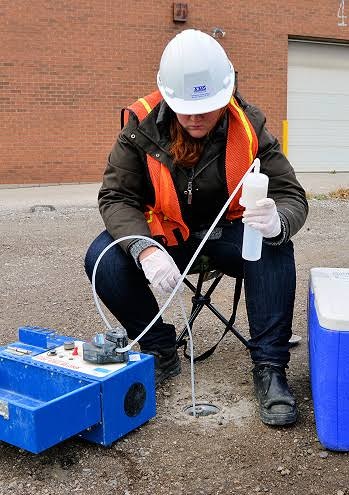
A thorough property evaluation helps development professionals understand existing environmental conditions and recognize important factors that may influence construction activities. Detailed investigations provide useful information for preparing suitable development plans while supporting responsible property management.

  • Examine soil conditions to understand ground stability.
  • Evaluate groundwater characteristics for better planning.
  • Identify potential environmental concerns before construction.
  • Review historical property activities for valuable insights.
  • Collect reliable information to support project decisions.

Supporting Better Environmental Understanding

Ii Environmental Assessments

Environmental awareness plays an important role in preparing construction projects successfully. Evaluating soil, groundwater, and other site characteristics allows professionals to develop suitable approaches that protect environmental quality while supporting planned development activities.

Through Comprehensive Site Investigations, project teams can gain a clearer understanding of existing conditions and establish appropriate measures for responsible construction preparation.

  • Assess soil quality and surrounding environmental conditions.
  • Understand groundwater movement and characteristics.
  • Recognize areas that require additional evaluation.
  • Support environmentally responsible development planning.
  • Improve communication through organized investigation findings.

Improving Construction Safety Through Early Risk Identification

Preparing for construction with dependable site information creates opportunities to address important considerations before physical work begins. Understanding subsurface conditions helps engineers select appropriate construction methods and develop practical designs that align with the property’s characteristics.

  • Evaluate ground stability to support suitable foundation designs.
  • Identify underground obstructions that may influence excavation.
  • Review drainage conditions for effective water management.
  • Assess soil characteristics to guide earthwork planning.
  • Provide useful recommendations for construction preparation.

Strengthening Project Planning With Professional Assessments

Professional environmental assessments contribute meaningful information to development planning. A detailed evaluation helps project stakeholders understand environmental considerations, prioritize suitable activities, and establish realistic expectations for upcoming construction work.

Additional environmental information can also support responsible decision-making throughout the development process. Resources such as https://www.geokinetics.com/california/phase-2-environmental-site-assessment/ provide relevant insight into the value of detailed environmental evaluations.

  • Review historical property information for better awareness.
  • Analyze collected samples through appropriate laboratory testing.
  • Document findings for clear project communication.
  • Develop suitable recommendations based on assessment results.
  • Support responsible management of environmental resources.

Encouraging Efficient Construction Coordination

Reliable investigation findings help different project professionals work toward shared development objectives. Engineers, designers, contractors, and property stakeholders can use documented site information to coordinate their responsibilities and make informed preparations.

A well-organized investigation report also provides a valuable reference during project discussions. This encourages stronger collaboration, effective resource allocation, and consistent attention to construction requirements.

  • Improve coordination between technical professionals.
  • Support realistic construction schedules and resource planning.
  • Encourage informed material and foundation selections.
  • Strengthen awareness of site-specific requirements.
  • Promote organized communication throughout development activities.

Creating Lasting Value Through Responsible Development

Careful preparation contributes to construction quality and long-term property performance. Understanding environmental and ground conditions before development helps establish suitable approaches that support durability, responsible resource management, and confidence in future property use.

Comprehensive Site Investigations therefore represent an important investment in successful construction preparation. By combining professional assessments, reliable testing, and clear reporting, property stakeholders can establish stronger development foundations. A thoughtful approach to understanding site conditions encourages safer construction practices, supports environmental responsibility, and creates valuable opportunities for sustainable property development.

Smarter Procurement Decisions Through Advanced RFP Search Software

Effective procurement decisions begin with identifying valuable opportunities, understanding requirements, and evaluating available options carefully. A well-organized procurement process helps teams save time, improve planning, and achieve better outcomes. As purchasing requirements become more detailed, advanced search capabilities provide practical support for discovering relevant requests for proposals (RFPs). By combining intelligent search methods with organized information, procurement professionals can make informed decisions and develop stronger strategies.

Improving Procurement Opportunity Discovery

Finding suitable opportunities is an important part of successful procurement planning. Advanced search capabilities simplify this process by helping professionals identify relevant opportunities according to specific requirements.

Some valuable benefits include:

  • Faster discovery of relevant opportunities
  • Improved access to procurement information
  • More accurate search results
  • Better organization of available opportunities
  • Reduced time spent on manual searches
  • Easier identification of suitable requirements

These capabilities allow teams to focus their attention on opportunities that match their objectives and operational strengths.

Making Information Easier to Evaluate

Accurate information plays an essential role in procurement decisions. Modern search solutions organize important details, making it easier to understand project expectations and compare different opportunities. With K-12 RFP search software supporting targeted discovery, education-focused suppliers can identify relevant procurement requirements and organize their research more effectively.

Useful information may include:

  • Project descriptions and expectations
  • Submission deadlines and schedules
  • Qualification requirements
  • Product and service specifications
  • Contract duration and conditions
  • Important documentation details

Having these details readily accessible encourages better preparation and more confident decision-making.

Supporting Better Strategic Planning

Strategic procurement involves understanding current requirements while preparing for future opportunities. Advanced search solutions help professionals recognize patterns, explore suitable projects, and organize their priorities.

A thoughtful approach can support several activities:

  • Establishing clear procurement objectives
  • Identifying opportunities that match business capabilities
  • Comparing requirements across different projects
  • Allocating resources more effectively
  • Preparing realistic submission schedules
  • Maintaining organized opportunity records

These practices create a structured foundation for consistent procurement performance.

Strengthening Team Collaboration

Successful procurement often requires cooperation between multiple departments. Search tools that provide organized information make it easier for team members to review opportunities, exchange insights, and coordinate responsibilities.

Clear information sharing can help teams:

  • Understand project expectations together
  • Assign responsibilities efficiently
  • Review documentation consistently
  • Track important milestones
  • Coordinate preparation activities
  • Maintain accessible records

Better collaboration encourages smoother workflows and supports productive working relationships.

Creating a More Efficient Procurement Process

Efficiency improves when professionals can access relevant information without unnecessary searching. Advanced search features, organized filters, and timely notifications help teams maintain awareness of suitable opportunities while managing their daily responsibilities. A consistent process also makes it easier to evaluate priorities, monitor progress, and improve future procurement activities.

Building Confidence Through Informed Decisions

Smarter procurement decisions depend on preparation, reliable information, and thoughtful evaluation. Advanced RFP search capabilities bring these elements together by making opportunity discovery more convenient and organized. When teams understand requirements, compare available options, and coordinate their efforts, they can approach procurement activities with greater confidence. Continuous improvement in search strategies also supports stronger planning, better resource management, and sustainable professional growth.