
Month: November 2026

High Quality Molecular Sieves Support Efficient Industrial Drying Solutions

Moisture control is essential for maintaining product quality, protecting equipment, and supporting smooth industrial operations. In many production environments, even small amounts of unwanted water can influence material stability and process performance. Advanced adsorption materials provide a dependable way to achieve consistent dryness while improving efficiency.

Precise Moisture Removal for Consistent Results

Molecular sieves contain uniform pores that selectively attract and hold water molecules from gases and liquids. Their structured adsorption capacity supports deep drying, including applications that require very low moisture levels. Suitable selection supports stable results in continuous industrial processes.

Key advantages include:

  • High affinity for water molecules, supporting effective moisture capture.
  • Consistent adsorption performance across demanding drying cycles.
  • Selective pore structures suited to different process requirements.
  • Reliable treatment of gas streams, solvents, and other industrial materials.
  • Support for product purity and dependable downstream processing.

Improving Operational Efficiency

Effective drying helps industrial systems operate with greater consistency. By reducing moisture before materials enter sensitive equipment or later production stages, molecular sieves can support smoother workflows and help maintain desired process conditions. They are suitable for systems using adsorption and regeneration cycles.

Facilities can benefit from:

  • More dependable control of moisture levels in process streams.
  • Protection of moisture-sensitive materials during handling and storage.
  • Improved consistency in product quality from batch to batch.
  • Efficient use in continuous or cyclic drying arrangements.
  • Reduced moisture-related interruptions when systems are correctly maintained.

Versatile Applications Across Industries

Different processes require different levels of dryness. Molecular sieves are used in gas dehydration, solvent drying, air treatment, and the preparation of feed streams for further separation. The right pore size and adsorption grade align performance with each application.

Common uses include:

  • Drying compressed air and industrial gases before distribution.
  • Removing water from natural gas and hydrocarbon streams.
  • Dehydrating solvents used in chemical manufacturing.
  • Preparing process air for separation and purification systems.
  • Maintaining low moisture content in specialized production materials.

Quality Selection and Reliable System Design

Performance depends on suitable adsorbent selection and well-designed equipment. Factors such as inlet moisture, operating temperature, pressure, flow rate, and regeneration conditions influence the drying outcome. Consistent quality and technical guidance help match adsorbents to process needs.

A thoughtful selection process supports:

  • Appropriate adsorption capacity for the required moisture target.
  • Efficient bed design and balanced gas or liquid distribution.
  • Regeneration conditions that help restore adsorption capability.
  • Proper handling and storage to preserve material performance.
  • Routine monitoring for dependable operation over time.

Supporting a More Productive Industrial Future

High-performance drying contributes to cleaner processes, dependable output, and better protection of valuable materials. When selected and operated correctly, molecular sieves offer an effective approach to moisture management across a wide range of industrial applications. Proper moisture management also supports product consistency, operational stability, and efficient resource utilization.

Explore https://www.jalonzeolite.com/fr/ for further information about molecular sieve solutions and their uses. Consider the technical requirements of each drying process to identify suitable materials and achieve effective results.

With careful system design, suitable adsorbent selection, and regular performance checks, industrial facilities can achieve consistent drying results and strengthen overall production efficiency.
Improving Production Efficiency Through Pneumatic Valve Technology

Efficient production depends on smooth machine movement, accurate control, and reliable equipment performance. Pneumatic valve technology plays an important role in creating well-coordinated operations by managing compressed air and directing it to different machine components. With effective airflow regulation, manufacturers can improve productivity, maintain consistent output, and support dependable production processes. These systems also offer practical advantages through simple operation, flexible installation, and efficient control.

Understanding the Role of Pneumatic Valves

Pneumatic valves regulate the movement, direction, and pressure of compressed air within machinery. Their ability to control airflow helps equipment perform specific tasks with greater accuracy and coordination. Understanding the states of https://www.vincervalve.com/pneumatic-valve-working-principle/ provides useful knowledge about how these components contribute to efficient machine operation.

Important functions include:

  • Controlling compressed air distribution.
  • Managing airflow direction across equipment.
  • Supporting accurate cylinder movement.
  • Regulating pressure for consistent performance.
  • Coordinating multiple machine operations.
  • Enabling smooth starting and stopping actions.

Enhancing Production Speed and Consistency

Production efficiency improves when machines receive the correct airflow at the right time. Pneumatic valves help maintain synchronized movements, allowing equipment to complete repetitive tasks smoothly. Their responsive operation supports faster production cycles while maintaining dependable performance.

Several advantages contribute to improved productivity:

  • Faster machine response: Supports timely movements during production cycles.
  • Consistent operation: Helps maintain repeatable machine actions.
  • Accurate control: Directs airflow according to operational requirements.
  • Smooth coordination: Supports synchronized equipment performance.
  • Flexible functionality: Accommodates different machinery configurations.

Supporting Energy-Efficient Operations

Effective airflow management helps production systems use compressed air more efficiently. Selecting suitable valves and maintaining appropriate operating pressure can support responsible energy consumption. Proper system design also contributes to stable equipment performance.

Useful practices include:

  • Selecting valves according to airflow requirements.
  • Maintaining suitable operating pressure.
  • Checking pneumatic connections regularly.
  • Keeping air distribution pathways organized.
  • Using appropriate valve configurations.
  • Monitoring system performance consistently.

Improving Automation and Machine Coordination

Modern production equipment benefits from reliable pneumatic control. Valves connect control signals with mechanical movements, helping automated systems perform operations in an organized sequence. Their versatility makes them suitable for applications involving material handling, packaging, assembly, and positioning.

Pneumatic valve technology supports automation through:

  • Reliable control of pneumatic actuators.
  • Smooth movement between production stages.
  • Accurate positioning of machine components.
  • Coordinated repetitive operations.
  • Flexible integration into automated equipment.
  • Consistent performance across production cycles.

Choosing and Maintaining Suitable Valve Systems

Selecting appropriate pneumatic valves is essential for achieving the desired production results. Factors such as pressure requirements, flow capacity, response time, connection types, and operating conditions should guide selection.

Regular maintenance further supports dependable performance. Simple inspection routines can help preserve airflow quality and extend equipment service life.

Recommended maintenance activities include:

  • Inspecting seals and connections.
  • Checking airflow consistency.
  • Cleaning components when required.
  • Monitoring pressure levels.
  • Reviewing valve response times.
  • Replacing worn components promptly.

Building More Productive Manufacturing Processes

Pneumatic valve technology provides valuable support for efficient production by combining controlled airflow, reliable movement, and flexible automation. With suitable component selection, proper installation, and consistent maintenance, manufacturers can improve machine coordination and maintain dependable output. Investing in effective pneumatic control creates opportunities for smoother workflows, better resource utilization, and sustainable operational growth.

Advanced Spd Configurations Deliver Effective Multi Level Surge Protection

Reliable electrical installations benefit from coordinated surge protection that manages electrical disturbances at different points in a system. Advanced surge protective device (SPD) configurations combine complementary protection stages to safeguard distribution equipment, connected devices, and sensitive electronics. A well-designed arrangement supports dependable operation while strengthening electrical resilience.

Layered Protection Creates a Stronger Electrical Defense

Different surge events can enter an installation or develop within its electrical network. Using coordinated SPD types allows each protection stage to address the surge energy expected at its location, creating a balanced approach rather than relying on one device.

  • Type 1 devices help manage high-energy lightning currents at the installation origin.
  • Type 2 devices limit surges across main and sub-distribution boards.
  • Type 3 devices provide additional protection close to sensitive equipment.
  • Combined devices can integrate complementary stages in suitable installations.
  • Coordinated selection helps distribute surge-handling responsibilities effectively.

Correct Device Placement Supports Performance

The position of each SPD contributes to how effectively the configuration operates. Placing suitable devices at key distribution points helps manage surge energy throughout the electrical network and supports downstream loads.

  • Service entrance protection addresses surges entering the installation.
  • Distribution board devices help control residual and switching surges.
  • Point-of-use protection supports sensitive electronic equipment.
  • Appropriate conductor lengths help coordinate separate protection stages.
  • Qualified design checks confirm that device placement suits the system.

Coordination Improves System-Wide Protection

A multi-level arrangement works best when its devices are selected to operate together. Reviewing discharge ratings, voltage protection levels, and installation conditions helps create a coordinated configuration that supports reliable performance across the network.

  • Compatible ratings help match devices to expected surge conditions.
  • Suitable separation or decoupling supports effective stage coordination.
  • Voltage protection levels guide selection for connected loads.
  • Manufacturer instructions provide important installation requirements.
  • Periodic inspections help confirm ongoing device condition.

Equipment Needs Guide Advanced Configurations

Electrical systems contain equipment with different levels of sensitivity and operational importance. Tailoring SPD arrangements to these needs helps protect essential controls, communication equipment, and everyday electrical loads with appropriate protection.

  • Control panels benefit from protection suited to electronic components.
  • Communication circuits may require dedicated signal-line protection.
  • Industrial drives need selection based on their electrical characteristics.
  • Critical equipment can benefit from additional point-of-use protection.
  • Renewable energy installations require SPDs rated for their specific AC or DC circuits.

Technical References Encourage Informed Selection

Understanding SPD classifications makes it easier to plan a suitable protection strategy. A helpful comparison of https://lsp.global/spd-type-1-vs-type-2-vs-type-3/ supports awareness of the different roles performed by Type 1, Type 2, and Type 3 devices.

  • Classification details clarify each device’s intended application.
  • Technical ratings support informed product comparisons.
  • Installation guidance helps align devices with system requirements.
  • Regular maintenance reviews support dependable protection over time.

Conclusion

Advanced SPD configurations bring together complementary technologies to deliver effective multi-level surge protection. By considering device types, placement, coordination, and equipment requirements, electrical professionals can develop balanced installations that support operational continuity and protect valuable connected assets. Careful specification and regular inspection help maintain a reliable protection strategy as electrical systems evolve.

Professional Paint Protection Preserves Vehicle Beauty And Lasting Shine

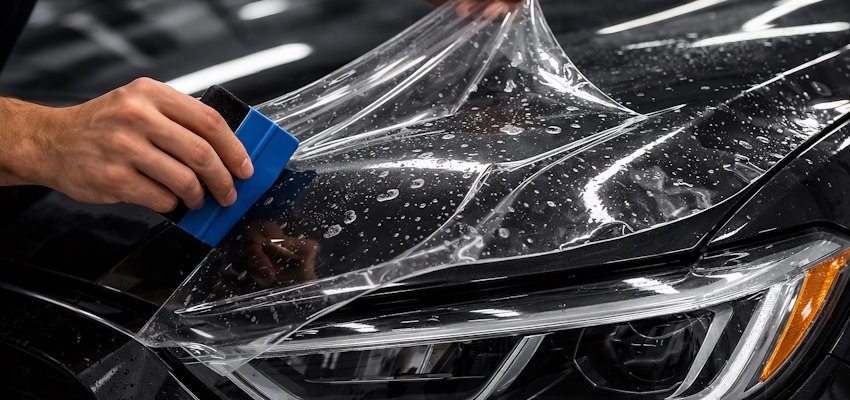
A vehicle’s exterior appearance plays an important role in creating a lasting impression. Maintaining its original paintwork requires proper care and reliable protective solutions. Daily driving, environmental exposure, road debris, and sunlight can gradually affect the beauty of automotive finishes. Professional paint protection helps maintain a vehicle’s attractive appearance while supporting long-term paint preservation. With quality materials and expert application, vehicle owners can enjoy a glossy exterior, smoother surfaces, and greater confidence in their vehicle’s overall presentation.

Advanced Protection Maintains Original Paint Quality

High-quality paint protection creates a durable protective layer over the vehicle’s exterior. This additional coverage helps preserve the original paintwork while maintaining its natural color and attractive finish. Professional application ensures consistent coverage across different body panels.

Some valuable benefits of professional paint protection include:

  • Helps protect painted surfaces from minor scratches.
  • Reduces the impact of everyday environmental exposure.
  • Maintains the original paint color and appearance.
  • Supports a smooth and attractive exterior finish.
  • Preserves the vehicle’s overall visual appeal.

Lasting Shine Creates A Beautiful Appearance

Paint Protection

A glossy exterior gives vehicles a fresh, polished, and well-maintained appearance. Protective solutions help maintain paint clarity while enhancing the depth and brightness of the existing finish. Proper preparation and careful application contribute to an even and impressive result.

Vehicle owners can enjoy several appearance-related advantages:

  • Enhances the natural gloss of automotive paint.
  • Maintains a clean and polished exterior appearance.
  • Supports consistent shine across painted panels.
  • Helps reduce the visible effects of everyday wear.
  • Creates an attractive finish that stands out.

Professional Application Ensures Excellent Coverage

Skilled technicians understand the importance of preparing exterior surfaces before applying protective materials. Thorough cleaning, surface evaluation, and precise installation help achieve reliable coverage. Every section receives careful attention to support a smooth and consistent finish.

Professional application offers important advantages through:

  • Detailed inspection of existing paint conditions.
  • Careful preparation of exterior surfaces.
  • Accurate application across different body sections.
  • Attention to edges, curves, and panel contours.
  • Final quality checks for consistent coverage.

Everyday Protection Supports Vehicle Care

Regular driving exposes automotive paintwork to different environmental conditions. Dust, road particles, sunlight, and water can influence exterior appearance over time. Suitable protective solutions provide an additional layer of defense and make routine maintenance more convenient.

A professionally selected San Antonio PPF service can help vehicle owners maintain attractive finishes while adding practical surface protection. Paint protection film is particularly useful for helping shield vulnerable painted areas from minor road debris impacts and everyday surface contact.

Additional benefits include:

  • Helps maintain vulnerable exterior sections.
  • Supports easier routine cleaning and maintenance.
  • Reduces direct contact with minor surface contaminants.
  • Helps preserve paintwork during regular driving.
  • Contributes to long-term exterior appearance.

Smart Maintenance Preserves Long-Term Beauty

Paint protection delivers excellent results when combined with consistent vehicle maintenance. Gentle washing methods, suitable cleaning products, and regular inspections help maintain the protective layer. Following appropriate care recommendations also supports the appearance and performance of the protected surfaces.

Simple maintenance habits provide lasting value:

  • Wash the vehicle regularly using gentle methods.
  • Remove dirt and surface contaminants carefully.
  • Follow professional aftercare recommendations.
  • Inspect protected areas periodically.
  • Maintain consistent exterior cleaning routines.

Enjoy Confidence With Professional Paint Protection

Investing in professional paint protection is an excellent way to maintain automotive beauty and preserve attractive exterior finishes. Combining skilled application, quality protective materials, and proper maintenance helps vehicles retain their polished appearance. With reliable surface protection, owners can enjoy lasting shine, improved paint preservation, and greater satisfaction every time they admire their vehicles.

Detailed Operator Manuals Support Confident Machinery Handling

Operating agricultural and industrial machinery requires proper knowledge, practical awareness, and an understanding of essential equipment functions. Detailed operator manuals provide valuable information that helps users handle machinery confidently while maintaining smooth and productive operations. These resources explain operating controls, equipment features, safety recommendations, and routine maintenance requirements in an organized manner. With access to clear instructions, operators can improve their technical understanding, manage everyday activities effectively, and make better use of available machinery.

Understanding Machinery Features And Functions

Knowledge of equipment features helps operators understand how machinery performs different tasks. Detailed manuals explain individual components, operating controls, and important functions, making equipment handling more familiar and convenient.

  • Explains essential machinery components and their functions.
  • Introduces operating controls and equipment features.
  • Provides useful information about machine specifications.
  • Improves familiarity with different operating systems.
  • Supports better understanding of equipment capabilities.

Improving Operating Confidence

Clear operating instructions help users approach machinery handling with greater confidence. Organized explanations describe equipment preparation, operating requirements, and appropriate handling practices that support consistent performance during everyday activities.

  • Explains equipment preparation requirements.
  • Provides clear operating recommendations.
  • Supports effective control handling.
  • Encourages consistent operating practices.
  • Improves awareness of machinery capabilities.

Supporting Equipment Safety Awareness

Understanding safety information is an important part of responsible machinery operation. Operator manuals highlight essential precautions, recommended handling practices, and equipment guidelines that help users maintain an organized working environment.

  • Explains important operating precautions.
  • Identifies essential safety features.
  • Provides guidance for responsible equipment handling.
  • Encourages awareness of operating surroundings.
  • Supports appropriate machinery preparation.

Simplifying Routine Equipment Maintenance

Regular maintenance helps preserve machinery functionality and contributes to dependable performance. Detailed documentation provides useful information about inspections, lubrication, cleaning, and component care, allowing operators to understand their everyday equipment maintenance responsibilities.

  • Describes routine inspection requirements.
  • Explains lubrication and cleaning practices.
  • Provides information about fluid checks.
  • Supports timely component maintenance.
  • Encourages consistent equipment care routines.

Developing Better Technical Knowledge

Comprehensive operator documentation serves as a valuable learning resource for individuals working with different machinery systems. Detailed descriptions and illustrations make technical information easier to understand while improving familiarity with equipment components and functions.

  • Introduces important mechanical concepts.
  • Explains hydraulic and electrical system functions.
  • Provides useful component identification details.
  • Improves understanding of technical specifications.
  • Encourages continuous equipment learning.

Making Technical Information Easily Accessible

Well-organized reference materials help operators locate essential information whenever equipment guidance is required. Resources such as a John Deere Repair Manual PDF can provide convenient access to technical descriptions, operating information, and useful maintenance references.

  • Keeps important equipment information organized.
  • Supports convenient technical reference.
  • Helps users understand servicing requirements.
  • Improves preparation for equipment operations.
  • Encourages informed machinery management.

Promoting Consistent Machinery Performance

Confident machinery handling develops through practical experience and access to reliable operating information. When operators understand equipment requirements and follow suitable maintenance practices, they can support smoother workflows and productive daily activities.

Detailed operator manuals remain valuable resources for improving machinery knowledge and supporting responsible equipment handling. Their clear explanations, technical illustrations, and practical recommendations help operators develop confidence, maintain consistent operating habits, and contribute to reliable machinery performance over time.